


 Home
HomeBuild Cohesive Spaces with the Right Architectural Lighting Manufacturer
 Sep 04,2026

 SYP
SYP
Architectural lighting is most successful when the fixture, installation detail and illuminated surface work together. An experienced architectural lighting manufacturer can help designers coordinate aluminum profiles, LED strips, diffusers, drivers and mounting details for one cohesive lighting system.
SYP provides recessed, plaster-in, surface-mounted, suspended and angled wall-washing LED aluminum profiles for residential and commercial projects. These solutions can be integrated into ceilings, walls, stairs, handrails, furniture, hotel interiors, offices and retail environments.
What Does an Architectural Lighting Manufacturer Provide?
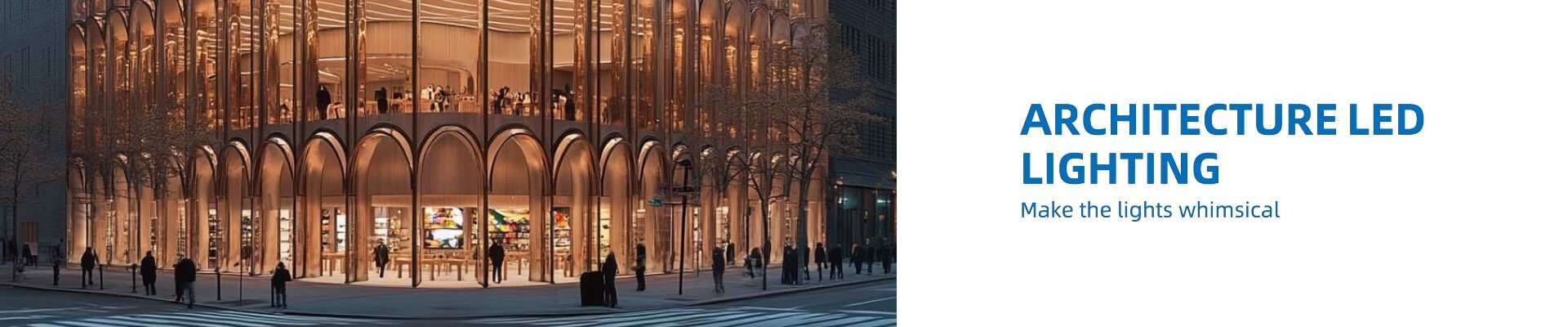
An architectural lighting manufacturer supplies fixtures and structural lighting components designed to become part of a building or interior. Typical products include recessed channels, plaster-in profiles, suspended linear lights, wall-washing profiles, diffusers, end caps and customized mounting solutions. The manufacturer may also coordinate LED specifications, drivers, finishes and project-specific lengths.
How Architectural Lighting Becomes Part of the Interior
Decorative fixtures are usually selected as visible objects. Architectural lighting is different: the light source is coordinated with the building surface, ceiling, wall, stair, handrail or furniture structure.
The physical profile determines how the lighting is installed and where the light is directed. The LED strip determines brightness and color quality, while the diffuser controls the visible appearance of the light line.
Architectural Profile
The aluminum extrusion defines the fixture shape, installation method and direction of light.
LED Light Source
The LED strip determines voltage, wattage, brightness, color temperature, CRI and dimming performance.
Diffuser
A frosted or milky PC cover blends the LEDs and helps reduce direct glare and visible bright points.
Driver and Controls
A compatible driver and control system provide the required voltage, capacity, dimming and automation.
Architectural LED Profiles for Different Installation Conditions
SYP's current architectural range includes five aluminum profile solutions. Each product addresses a different mounting surface or lighting effect.
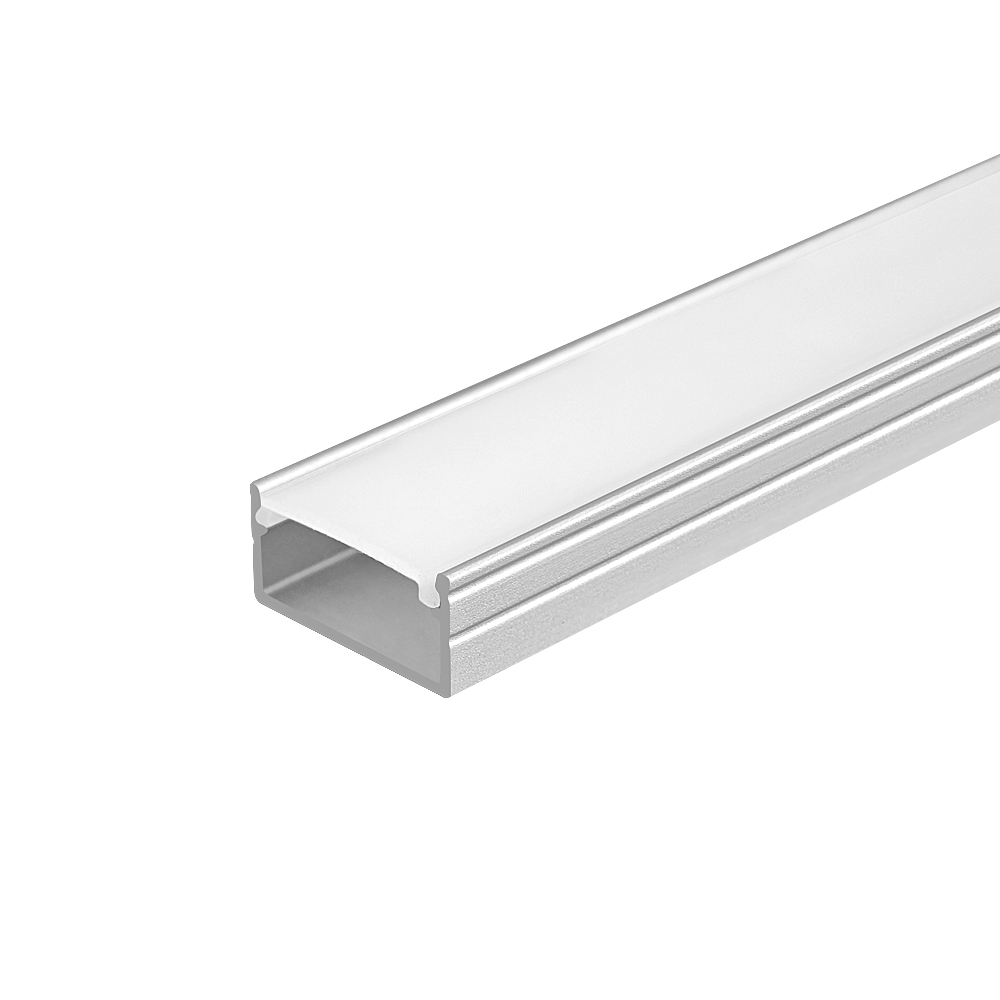
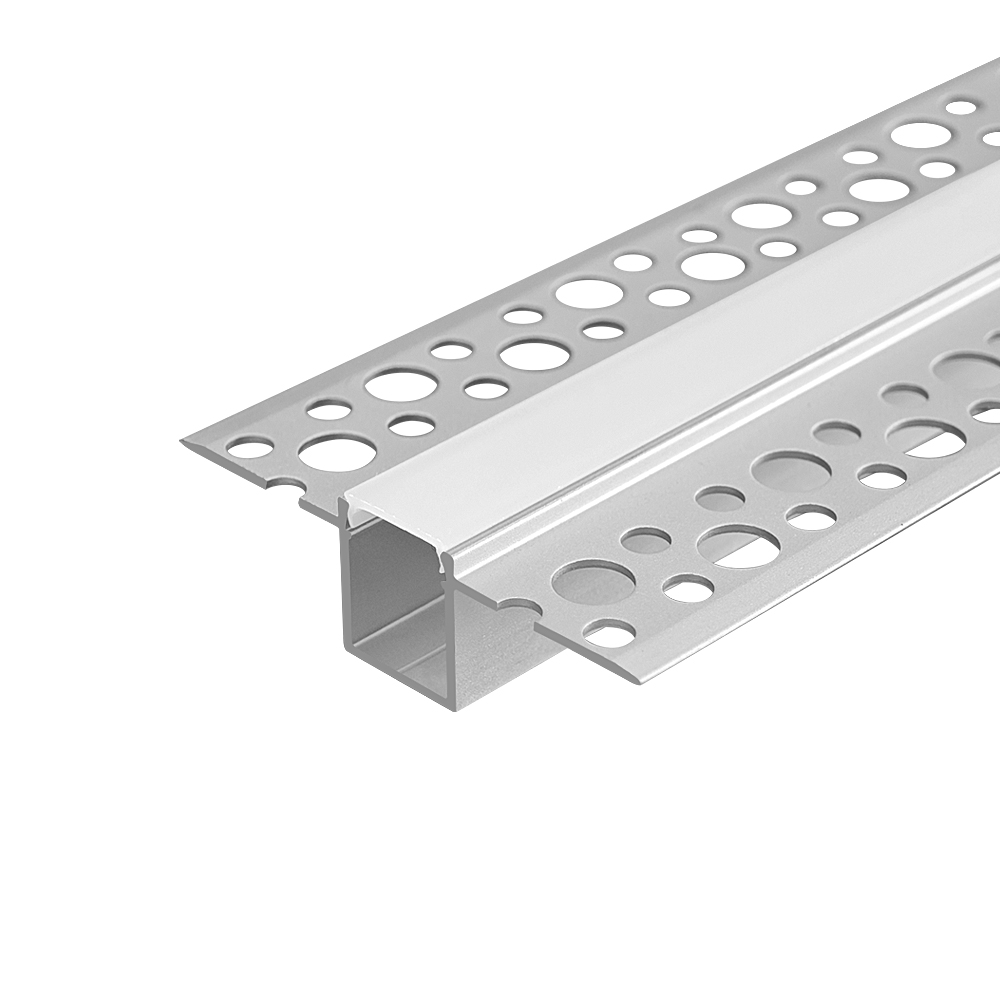
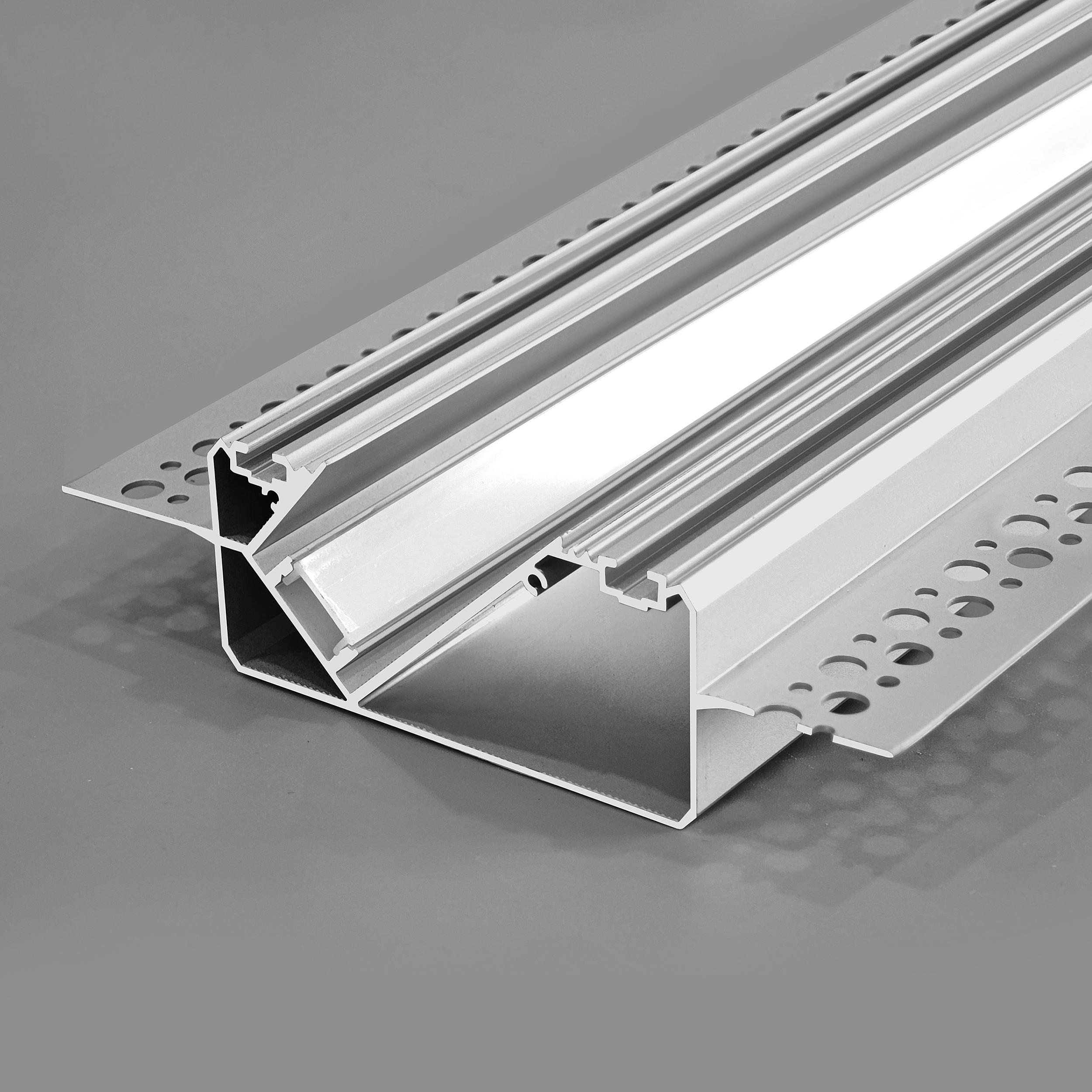
Architectural Lighting Product Comparison
| Product | Installation | Key Specification | Light Effect | Recommended Use |
|---|---|---|---|---|
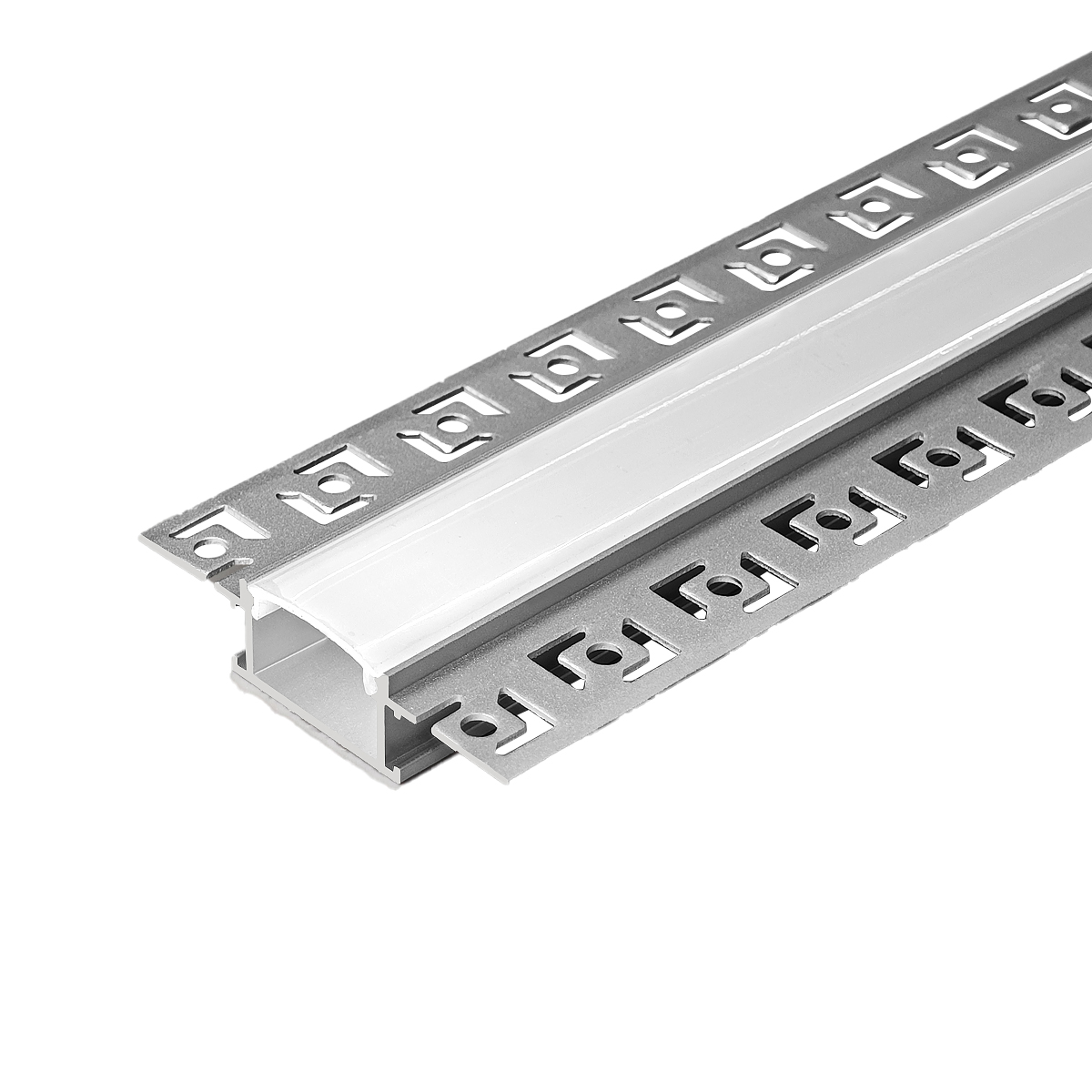
| SYP-44 | Plaster-in, embedded, gypsum board | 61 × 14mm | Trimless diffused light line | Ceilings, walls, hotels and commercial interiors |
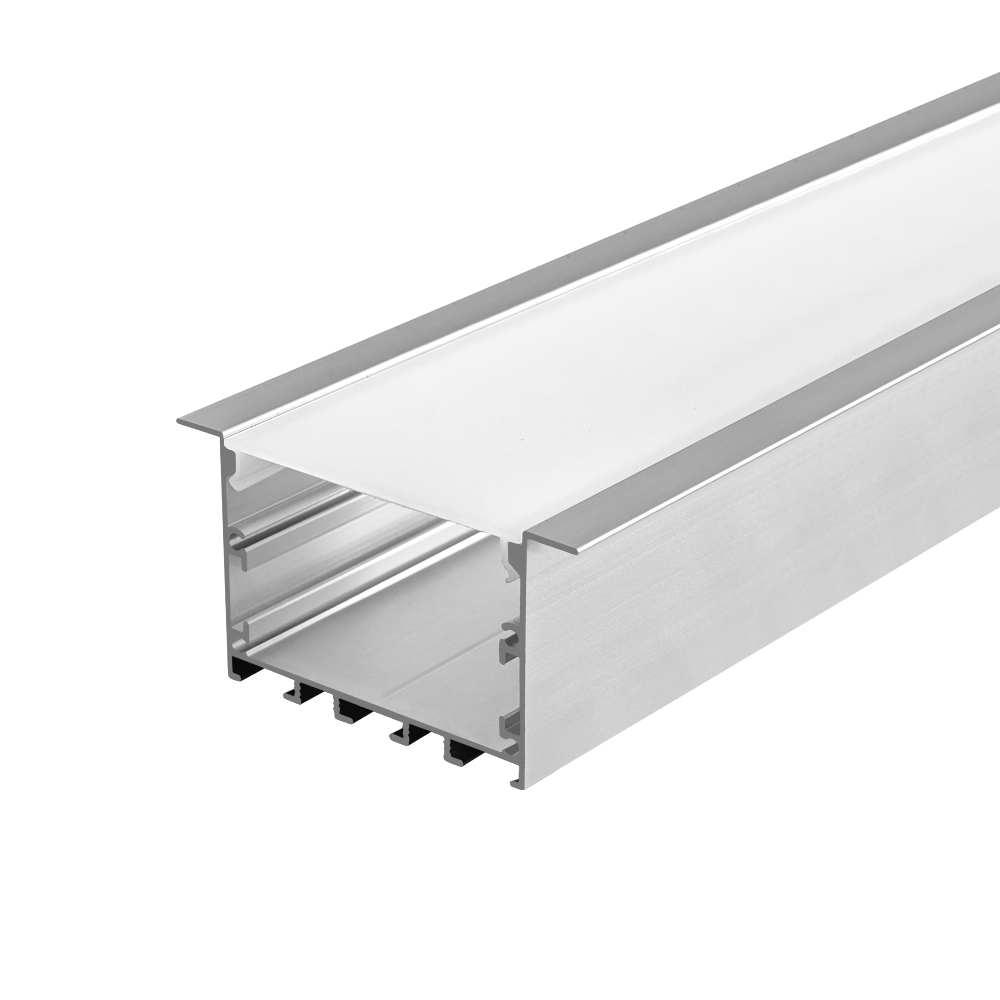
| SYP-5035A | Suspended, surface mounted or recessed | Listed as 65 × 50 × 35mm | Direct continuous linear lighting | Offices, meeting rooms, hotels and open ceilings |
| SYP-33 | Recessed groove or surface mounted | 18 × 8.5mm; 16mm internal width | Compact diffused light line | Furniture, cabinets, shelves and wall panels |
| SYP-47 | Embedded plaster-in | 52 × 14.7mm; 11mm internal width | Trimless architectural line | Ceilings, corridors, walls and background features |
| SYP-135×36 | Pre-embedded plaster-in | 6063-T5 aluminum; 12V/24V strip | 45° oblique wall washing | Stair handrails, side walls, villas and duplexes |
Angled Architectural Lighting for Stairs and Handrails
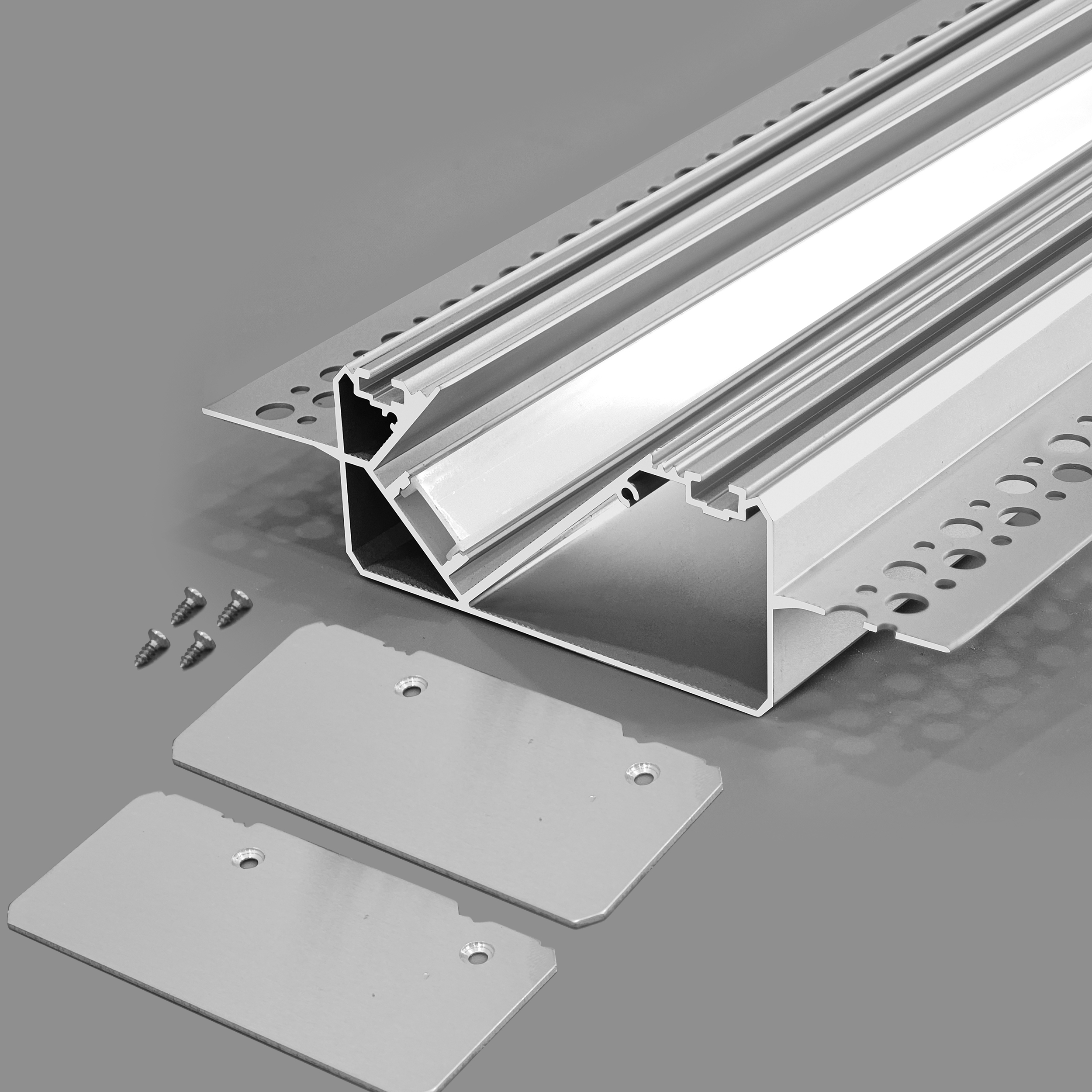
Why Use a 45° Light-Emitting Profile?
A 45-degree profile directs the light across an adjacent surface instead of straight into the room. This can create a grazing or wall-washing effect along stair side walls and handrails.
The SYP-135×36 is pre-embedded before wall finishing and uses a milky frosted PC diffuser. Its product configuration includes the aluminum channel and diffuser; the LED strip is specified separately.
Which Architectural LED Profile Should You Choose?
- For wide trimless ceiling or wall lines: consider SYP-44.
- For suspended office or commercial lighting: consider SYP-5035A.
- For shallow furniture or cabinet grooves: consider SYP-33.
- For narrow trimless gypsum light lines: consider SYP-47.
- For stair or handrail wall washing: consider SYP-135×36.
Start with the Required Light Direction
Decide whether the project needs direct downward light, indirect reflected light, a trimless linear opening or an angled wall-washing effect.
Review the Construction Surface
Plaster-in profiles must be coordinated before gypsum finishing. Recessed profiles require accurate grooves, while suspended fixtures need secure ceiling fixing points.
Check the Available Space
Measure the opening width and depth and confirm that the LED strip, solder points, connectors and cables fit inside the profile.
Define the Desired Light Quality
Consider brightness, color temperature, CRI, diffuser transmission and visual uniformity. A high-density or COB strip may help create a smoother line behind the diffuser.
Specify the Complete Architectural Lighting System
An aluminum profile alone is not a complete lighting fixture. A reliable custom architectural lighting solution should coordinate the following components.
| Component | What It Controls | What to Confirm |
|---|---|---|
| Aluminum profile | Installation and light direction | Dimensions, finish and mounting method |
| LED strip | Brightness, color and wattage | Width, voltage, CCT, CRI and output |
| Diffuser | Visible light appearance | Transmission, opacity and glare control |
| LED driver | Electrical conversion and capacity | Voltage, wattage, location and accessibility |
| Controls | Switching, dimming and automation | Control protocol and driver compatibility |
Where Architectural LED Profiles Can Be Used
Residential Interiors
Living rooms, bedrooms, kitchens, corridors, feature walls, stairs and custom furniture.
Offices
Open workspaces, meeting rooms, reception areas, ceilings and circulation routes.
Hotels
Guest rooms, lobbies, corridors, reception desks, restaurants and architectural walls.
Retail Spaces
Display walls, shelves, showcases, counters, fitting rooms and merchandise areas.
Restaurants
Dining areas, bars, ceiling details, indirect wall lighting and decorative partitions.
Stairs and Handrails
Indirect stair lighting, wall grazing, side-wall illumination and integrated handrail details.
Custom Architectural Lighting for Project Requirements
Standard products provide a starting point, but architectural projects frequently require custom lengths, finishes, light output and installation details.
- Profile cutting and customized lengths
- Silver, black, white or customized finishes
- Powder coating and logo engraving for selected models
- LED strip voltage, wattage and brightness
- Color temperatures from 2700K to 6500K for compatible lighting systems
- CRI 80, 90 or 95+ options for compatible LEDs
- Diffuser and visual-uniformity requirements
- Driver and dimming specifications
- End caps, clips, connectors and suspension accessories
- OEM and ODM project development
Information to Include in Your Lighting Inquiry
Complete project information helps a commercial architectural lighting supplier recommend a suitable profile and system configuration.
- Project type and installation location
- Ceiling, wall, furniture, stair or handrail construction
- Required light direction and visual effect
- Profile length, quantity and finish
- Available installation width and depth
- Required brightness, wattage and color temperature
- CRI and color-consistency requirements
- Dimming or control requirements
- Driver location and available input voltage
- Required accessories and cable-entry positions
- Architectural drawings, sections and reflected ceiling plans
Frequently Asked Questions
What is architectural lighting?
Architectural lighting is illumination coordinated with the structure and surfaces of a building or interior. It may be integrated into ceilings, walls, stairs, handrails or furniture instead of functioning only as a decorative fixture.
What products does an architectural lighting manufacturer supply?
Products can include recessed aluminum channels, plaster-in profiles, suspended linear profiles, wall-washing channels, diffusers, end caps, mounting accessories and customized LED lighting systems.
Which profile is suitable for suspended office lighting?
SYP-5035A supports suspended, surface-mounted and recessed installation, making it a flexible option for offices, meeting rooms and commercial interiors.
Which profile is suitable for shallow furniture grooves?
SYP-33 is only 8.5mm high and provides a 16mm internal groove, making it suitable for cabinets, shelves and furniture panels with limited installation depth.
How can trimless architectural lighting be created?
A plaster-in profile such as SYP-44 or SYP-47 is embedded before the surrounding gypsum surface is finished. The perforated wings are covered so that only the illuminated opening remains visible.
Which product provides angled stair wall washing?
SYP-135×36 uses a 45-degree oblique light-emitting structure for stair handrails, side walls and indirect ambient lighting.
Do LED aluminum profiles improve heat management?
Aluminum provides a thermally conductive mounting surface that helps transfer heat away from LED strips. Actual thermal performance depends on strip wattage, profile size, ambient temperature and installation conditions.
Can architectural LED profiles be customized?
Yes. Depending on the model and project quantity, customization may include length cutting, surface color, powder coating, logo engraving, LED specification, diffuser, driver and mounting accessories.
What should be approved before mass production?
Approve the profile dimensions, finish, LED strip, diffuser, driver, mounting method, accessories and a complete illuminated sample before production.
 LED Cabinet Lighting That Works with the Furniture, Not Against It
  About us
 OUR PARTNER
 faq
faq Contact us