


 Home
HomeSustainable Trends in Linear Lighting
 May 22,2026

 SYP
SYP
Energy Efficiency Reimagined: The Shift to High-Efficacy Systems
The baseline for sustainability in lighting has always been energy consumption, but modern sustainable linear trends extend far beyond simply switching from traditional fluorescent tubes to standard LEDs. The current focus centers on maximizing luminous efficacy—delivering the highest possible lumen output per watt of electricity consumed.
Premium linear systems achieve this through advanced chip design and optical engineering. By utilizing next-generation Chip-on-Board (CoB) technologies and highly efficient, micro-prismatic diffusers, contemporary fixtures emit a continuous, seamless ribbon of light without wasting energy on excessive heat generation. This drastic reduction in power consumption directly lowers a building’s operational carbon footprint, making it significantly easier for commercial and residential projects to achieve stringent green certifications such as LEED, BREEAM, and WELL.
The Circular Economy: Modular Design and Material Transparency
True sustainability requires analyzing the entire lifecycle of a product, from raw material extraction to end-of-life disposal. Traditional lighting fixtures were often manufactured as sealed, monolithic units; if a single driver or diode failed, the entire housing had to be discarded, contributing to the global electronic waste crisis.
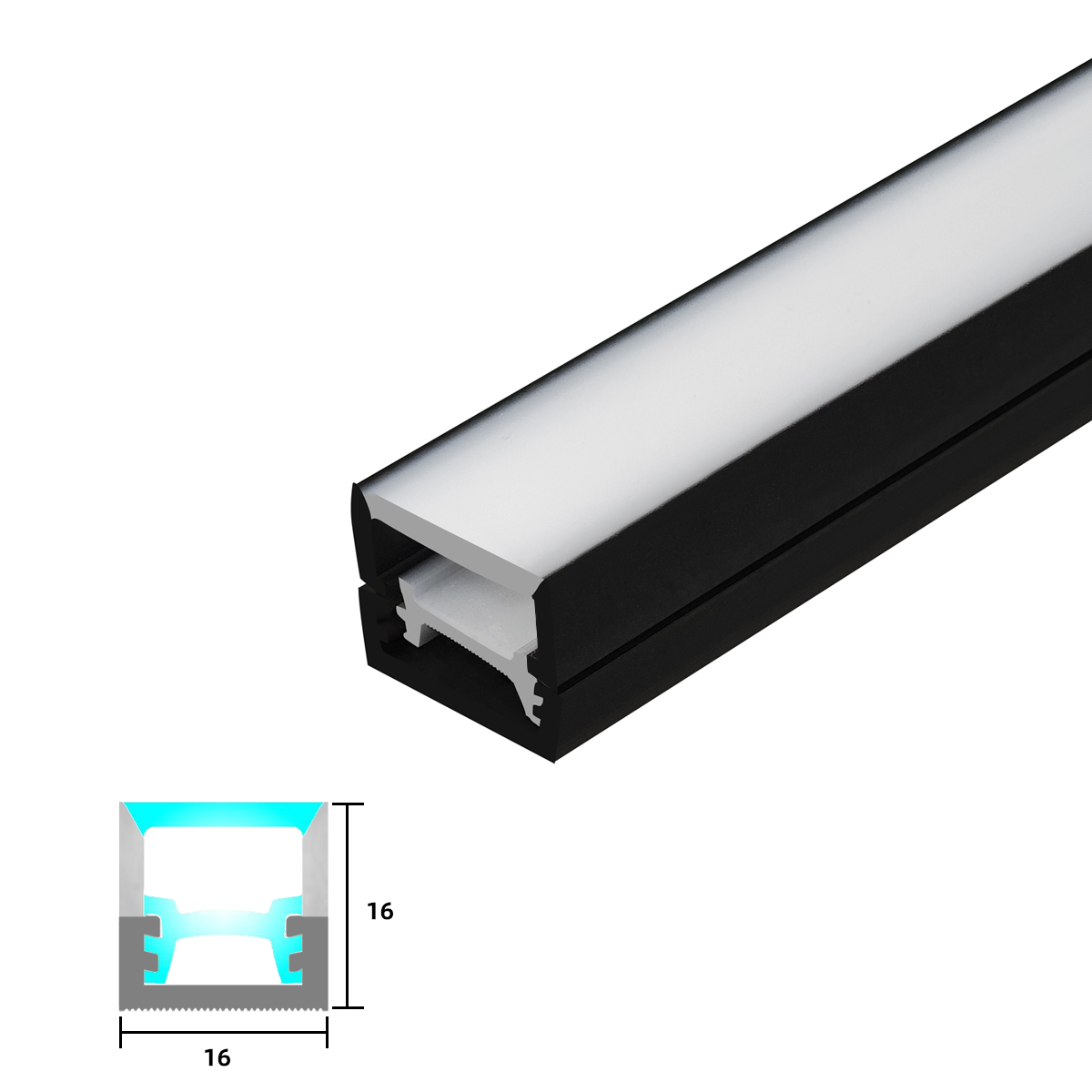
The most significant sustainable trend in modern linear lighting is the embrace of modular architecture and circular design principles. Forward-thinking manufacturers are now engineering linear tracks with easily replaceable internal components:
Tool-less Maintenance: LED engines, drivers, and sensor modules can be popped out and upgraded or replaced independently without removing the structural aluminum housing from the ceiling.
Recycled Material Composition: Extruded aluminum profiles—the backbone of linear systems—are increasingly manufactured using high-percentage post-consumer recycled aluminum, reducing the energy-intensive demand for virgin mining.
Hazardous Material Elimination: Advanced linear systems strictly adhere to RoHS (Restriction of Hazardous Substances) standards, ensuring that components are completely free of harmful materials like lead, mercury, and cadmium, facilitating safe recycling at the end of their lifecycle.
Smart Intelligence: Daylight Harvesting and Responsive Controls
A lighting fixture is only truly sustainable if it illuminates a space exclusively when needed. The integration of advanced control protocols—such as DALI-2, 0-10V dimming, and wireless Bluetooth Low Energy (BLE) mesh networks—has turned linear lighting into an intelligent, responsive system.
One of the most impactful operational trends is Daylight Harvesting. Linear tracks positioned near expansive glass facades or perimeter windows are paired with ambient light sensors. As natural sunlight floods the room throughout the day, the smart system automatically and smoothly dims the artificial linear output to maintain a completely uniform illumination level across the floorplate. By automatically capitalizing on free, natural light, buildings can slash their daily lighting energy expenditures by a significant margin. Furthermore, integrated occupancy and motion sensors ensure that linear fixtures in corridors, meeting rooms, or residential hallways instantly dim or power down when spaces are vacant.
 The Multidimensional Application of Custom Linear Light
  About us
 OUR PARTNER
 faq
faq Contact us