


 Home
HomeBest Under Cabinet Kitchen Lights 2026 LED Strips Puck Lights Guide
 Dec 03,2025

 SYP
SYP
If your kitchen counters disappear into shadows every evening, you’re not alone — lights under kitchen cabinets have become the go-to solution for brightening up prep spaces and transforming the whole cooking experience. In 2025, it’s not just about visibility anymore; it’s about adding style, energy efficiency, and even smart home convenience with options like LED under cabinet lights, puck lights, and sleek linear strips. Whether you’re hunting for the perfect color temperature, weighing the pros and cons of hardwired vs. battery-powered setups, or just want a quick DIY install that looks professional, this guide has you covered. By the end, you’ll know exactly which under cabinet lighting fits your space, your budget, and your lifestyle — no more guesswork, only stunning, shadow-free countertops all night long.
Why Under Cabinet Lighting Is a Kitchen Game-Changer
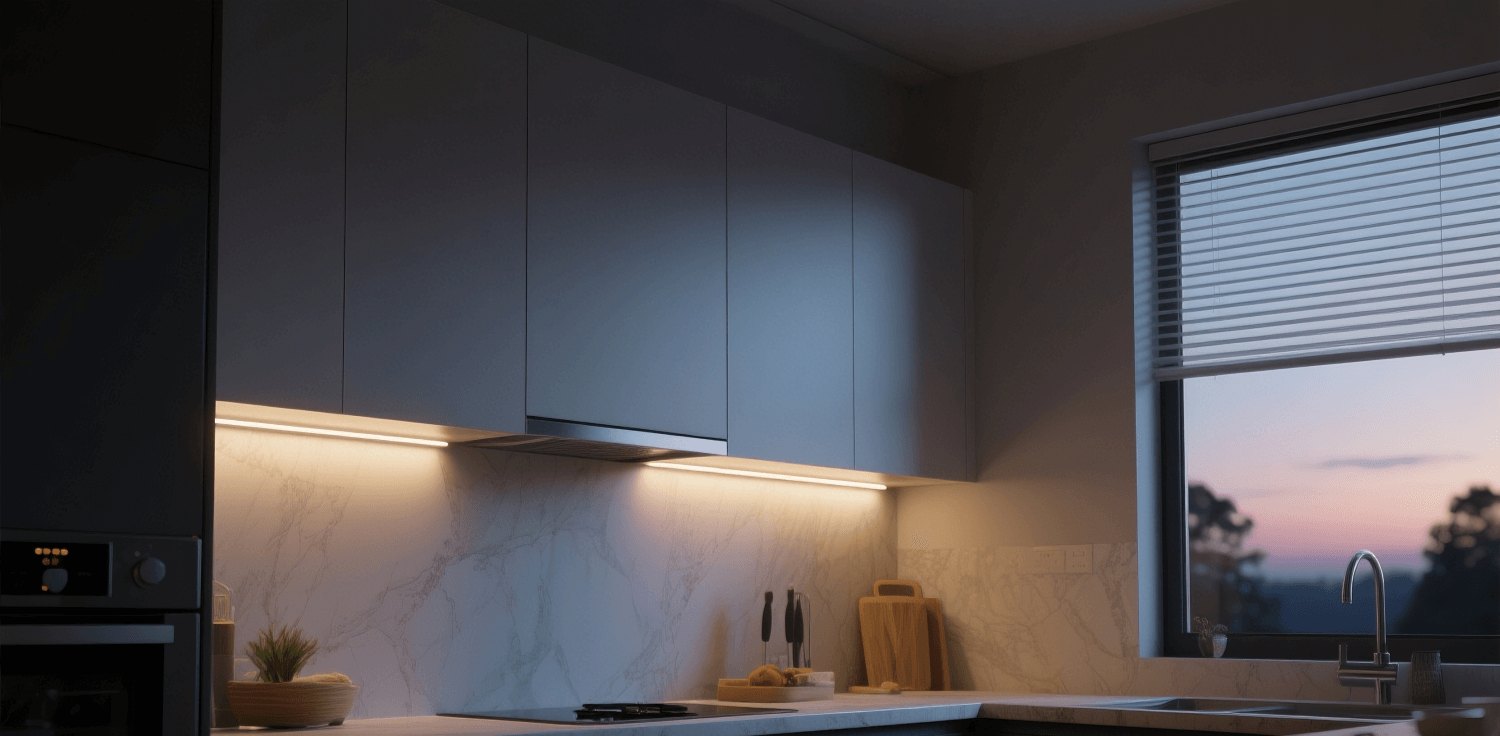
Under cabinet lighting transforms your kitchen from dim and dull to bright and inviting. It’s one of the easiest ways to brighten dark kitchen counters and create a welcoming workspace. Unlike overhead lights, under cabinet lights focus illumination exactly where you need it—right on your countertops—making food prep safer and more enjoyable.
Not only does this lighting style improve visibility for cooking and chopping, but it also adds an elegant, modern touch to your kitchen’s overall design. It highlights backsplashes, accents cabinetry, and enhances the room’s ambiance whether you’re preparing meals or entertaining guests.
Plus, with so many options like LED under cabinet lights, puck lights, and smart lighting solutions, you can customize brightness, color temperature, and style to fit your kitchen’s unique personality. Simply put, under cabinet lighting is one of the smartest upgrades for better function and style in any kitchen.
Types of Under Cabinet Kitchen Lights (2026 Comparison)
When it comes to lights under kitchen cabinets, you’ve got several popular options in 2026. Each type fits different styles, budgets, and installation preferences. Here’s a simple breakdown:
|
Type |
Look & Style |
Pros |
Cons |
Best For |
|
LED Strip / Tape Lights |
Flexible, seamless glow |
Easy to customize, low profile, bright |
Can show dots if not diffused |
Clean, modern kitchens |
|
Linear Light Bars |
Sleek, modern strips |
Uniform light, hardwired options |
Harder to DIY install |
Contemporary, high-end spaces |
|
Puck Lights |
Traditional, round |
Budget-friendly, easy to install |
Spotty light with hotspots |
Accent lighting, tight spaces |
|
Slim Low-Profile Panels |
Thin, flat panels |
Diffused, no hotspot lighting |
Slightly higher cost |
Minimalist kitchens |
|
Smart / Wi-Fi Enabled |
Various styles |
Control by app/voice, dimmable, color options |
Needs smart home setup |
Tech-friendly, customizable |
Quick Notes:
- LED Strip Lights are extremely popular for their flexible design and ability to match cabinet layout perfectly. They’re great if you want a seamless, bright task light without the dots some cheaper strips produce.
- Linear Light Bars offer a clean, modern look often hardwired for a permanent setup. These give great uniform lighting without fuss.
- Puck Lights still work well if you want simple, budget under cabinet lighting. They create spots of light and are perfect if you want to highlight specific counter areas.
- Slim panels are newer and give a smooth glow with no dots or hotspots—ideal if you prefer diffused light.
- Smart under cabinet lighting is on the rise, letting you customize brightness and color temperature via apps or assistants like Alexa or Google.
For DIY-friendly kits that combine easy installation and quality light, check out the options like the LED linear light bars designed for furniture lighting, which work well under cabinets too.
This 2026 lineup means there’s an under cabinet light for every kitchen style, budget, and tech level.
LED vs Xenon vs Fluorescent in 2026: Why LED Wins
When choosing under cabinet lighting for your kitchen, LED lights clearly come out on top in 2026. Here’s why:
-
Lifespan: LED under cabinet lights last up to 50,000 hours or more, far outpacing xenon and fluorescent bulbs that typically last around 3,000–10,000 hours. This means fewer replacements and less hassle over time.
-
Heat Output: LEDs produce very little heat compared to xenon, which can get hot and affect nearby cabinets or surfaces. Fluorescent lights are cooler than xenon but still generate more heat than LEDs.
-
Energy Efficiency: LEDs consume up to 75% less energy than xenon and about 50% less than fluorescents. That’s a win for your electric bill and the environment.
-
Color Rendering Index (CRI 90+): Modern LED strips and bars provide a high CRI (90+), meaning they show colors more accurately — essential for kitchens where seeing true food colors and finishes matters. Xenon has decent CRI but heats up, while fluorescents typically have lower CRI, making colors appear washed out.
In short, LED under cabinet lights not only save energy and last longer but also offer superior color quality and safety by running cool. For these reasons, LED lights are the best choice for brightening up your kitchen workspaces in 2026.
For smart, low-profile options with great CRI, check out the latest offerings like the SYPLED Ultra-Slim Dimmable LED Strip Kit that combine energy efficiency with sleek design.
Key Features to Look For in Under Cabinet Lighting
Choosing the right under cabinet lighting means focusing on a few key features that make your kitchen both functional and stylish.
Color Temperature (2700K–4000K)
- 2700K–3000K: Warm white, cozy and inviting, great for mood lighting.
- 3500K: Neutral white, a good balance for most kitchens.
- 4000K: Cool white, crisp and bright, perfect for task lighting.
Brightness (Lumens Per Foot)
| Kitchen Size/Use | Lumens per Foot Recommended |
|---|---|
| Basic accent lighting | 100–150 lumens |
| Task lighting (cooking, prep) | 300–400 lumens |
| Very bright workspaces | 500+ lumens |
Dimmability & Smart Home Compatibility
- Look for dimmable lights to adjust brightness based on time of day or task.
- Smart/Wi-Fi enabled options can sync with Alexa, Google Home, or smart switches for added convenience.
Diffused vs Direct Light
- Choose diffused lighting to avoid harsh spots or “dots” on your countertops.
- Avoid puck lights if you don’t want visible light circles; LED strips with diffusers are great for smooth, seamless light.
IP Rating for Sink Areas
- For areas near sinks or moisture, pick lights with an IP44 or higher rating to resist water splashes.
- Consider options like our waterproof LED neon lights for safe, durable illumination.
Linkable & Modular Systems
- Linkable or modular lighting kits let you customize length and brightness.
- These systems are perfect for uneven cabinet layouts and future upgrades.
Keeping these features in mind will have your kitchen brightly lit and perfectly tailored to your needs.
Hardwired vs Plug-in vs Battery vs Rechargeable (Pros & Cons 2026)
When choosing under cabinet lighting for your kitchen, the power source plays a big role in installation, flexibility, and look. Here’s a quick breakdown of the pros and cons for each type in 2026.
Hardwired Under Cabinet Lighting
Pros:
- Sleek, permanent setup with no visible cords
- Ideal for full kitchen remodels or new builds
- Typically offers the most consistent power and brightness
- Can be wired to a dimmer switch for convenient control
Cons:
- Requires professional installation unless you’re comfortable with electrical work
- Less flexible if you want to rearrange or upgrade later
- Installation can be time-consuming and pricier
This option is best for those wanting a clean, long-term solution and who don’t mind a bit of fuss upfront. For high-quality, hardwired under cabinet lighting options, check out reliable selections like the SYPLED Pro Series Linear Bars for lasting performance.
Plug-in Under Cabinet Lights
Pros:
- Easy DIY installation—just plug into a nearby outlet
- No electrician needed; great for quick upgrades
- Usually more affordable upfront
- Can be moved or replaced easily
Cons:
- Visible cords can be tricky to hide and might feel cluttered
- Power outlet location limits placement flexibility
- Not always suitable for kitchens with few outlets near cabinets
Plug-in lights are perfect for renters or those wanting a budget-friendly install that’s simple to do yourself. Adhesive LED strip options from trusted brands simplify plug-in setups, making it possible to brighten your counters fast. Check out how to install LED strip lights for a true DIY project under 30 minutes.
Battery-Operated Under Cabinet Lights
Pros:
- No wiring or outlets needed—totally cordless
- Ideal for renters or temporary setups
- Usually small and easy to install with adhesive or magnetic mounts
Cons:
- Batteries need frequent replacement or recharging
- Lower brightness compared to hardwired or plug-in
- Limited run time and not always dimmable
Battery-powered lights are a smart solution if you want simple, cordless under cabinet lighting without any installation hassle. Just keep in mind the extra cost and effort to change batteries regularly.
Rechargeable Under Cabinet Lights
Pros:
- Like battery-powered but rechargeable, cutting down battery waste
- Cordless and easy to install with adhesive options
- Good for small spaces or under cabinets without outlets
Cons:
- Batteries hold a charge for limited hours—daily or weekly charging required
- Still less bright than hardwired or plug-in models
- May need to be removed from mount to recharge
Rechargeable under cabinet lighting is a nice middle ground between convenience and eco-friendliness, perfect if you want to avoid hardwiring but still get decent light without constant battery swaps.
Bottom Line:
- Choose hardwired for a clean, permanent, and powerful solution if you’re okay with professional help.
- Go for plug-in if you want easy DIY installation and flexibility.
- Pick battery or rechargeable if you need cordless lighting or have a rental space.
For a full range of options and help choosing the best under cabinet lighting for your kitchen, visit dependable sources like SYPLED cabinet lighting.
Step-by-Step Installation Guide for Under Cabinet Lighting
Installing lights under kitchen cabinets doesn’t have to be complicated. Whether you’re going hardwired or going the easy plug-in route, here’s a simple guide to get your kitchen counters brightened up fast.
Tools You’ll Need
- Drill with bits (for hardwired or screw-mount options)
- Screwdriver
- Measuring tape
- Level
- Wire stripper (for hardwired)
- Adhesive cleaner (alcohol wipes for prepping surfaces)
- Cable clips or wire covers (for hiding wires)
Hardwired Installation (Safety First)
- Turn off power at the breaker before starting anything.
- Plan your wiring route along the inside cabinet walls.
- Mount the fixture using screws or mounting clips.
- Connect the wires—usually black to black (hot), white to white (neutral), and green or bare for ground.
- Secure wires tightly with wire nuts and tuck everything safely inside the junction box or cabinet ceiling.
- Turn power back on and test your lights.
Hardwired setups provide a seamless, clean look and are perfect if you want a permanent lighting solution.
Plug-in & Adhesive Strip Installation (DIY in Under 30 Minutes)
- Clean the surface under your cabinets thoroughly.
- Peel the adhesive backing off the LED strip or puck lights and stick them firmly in place.
- Plug the power adapter into a nearby outlet—no wiring needed.
- Use cable clips or cord covers to neatly tuck away any visible wiring.
This is ideal for renters or those avoiding permanent fixtures. Many kits come with dimmers or remote controls for easy lighting adjustment.
Tips for Renters (No-Hole Solutions)
- Use strong 3M command strips instead of screws for mounting.
- Opt for battery-operated under cabinet lights for zero wiring.
- Command hooks can also manage wires along cabinets without damage.
How to Hide Wires Perfectly
- Run wires along cabinet seams or inside crown molding.
- Use paint-matched cable covers for a near-invisible look.
- Secure wires with small cable clips underneath cabinets.
- For plug-in lights, aim to plug into outlets inside upper cabinets to keep cords hidden from sight.
Proper installation plus wire management means your under cabinet lighting looks clean and professional, changing the whole kitchen vibe for the better.
For quality options, consider the slim aluminum LED profile snap-in cabinet shelf light kits to make installation extra easy with a polished finish.
Common Mistakes & How to Avoid Them
When choosing and installing lights under kitchen cabinets, it’s easy to run into some common issues. Here’s what to watch out for and how to avoid these pitfalls:
-
Wrong color temperature: Picking the wrong color temp can make your kitchen feel off. Too cool (above 4000K) feels harsh and clinical, while too warm (below 2700K) can look dim and yellowish. Aim for a balanced 3000K to 3500K for perfect kitchen task lighting that’s bright but inviting.
-
Visible dots or hotspots: Some LED strips or puck lights show bright dots or uneven light, which spoils that clean look. Avoid this by choosing options with a good diffuser or anti-glare cover like LED profiles with PC covers to get smooth, even light under your cabinets. Check out easy-install LED profiles with anti-glare diffuser covers for a seamless shine.
-
Under-powered transformers: Using a transformer or power supply that can’t handle your total wattage causes flickering and shorter LED lifespan. Always buy a power supply rated at least 20% above your lighting’s total watt draw to keep things stable and bright.
-
Poor adhesion in humid kitchens: In kitchens near sinks or dishwashers, moisture and heat can ruin tape adhesives fast. Look for high-quality adhesive strips or consider hardwired or battery options in these spots. For longer-lasting stick, bendable aluminum profiles help secure LED strips and prevent peeling – find quality options like those at bendable LED aluminum profiles.
Avoid these mistakes, and your under cabinet lighting will look professional, perform great, and brighten your kitchen exactly how you want.
Cost Breakdown 2026: How Much Under Cabinet Lighting Really Costs
Under cabinet lighting prices in 2026 can fit any budget, but knowing what you actually need helps you spend smart without overpaying.
-
Budget ($30–80):
Basic LED strip kits or puck lights fall here. Good for small kitchens or renters who want easy plug-in or battery options. These usually have fewer features—no dimming or smart control—but still brighten dark kitchen counters effectively.
-
Mid-range ($80–200):
This range gets you better quality LED strip lights or slim linear bars with dimmability, better color accuracy (warm white to daylight options), and sometimes simple plug-in installation. Perfect for a typical 10×12 kitchen, offering enough brightness and a clean look without going full pro.
-
Premium ($200–500+):
High-end setups with hardwired linear light bars, smart Wi-Fi-enabled controls, ultra-high CRI (color rendering index 90+), and modular, linkable systems. Ideal for kitchens where under cabinet lighting doubles as both task and ambient lighting, or if you want a seamless, professional finish.
What You Need for an Average 10×12 Kitchen
- LED strip lights or linear bars: $100–$180 for good brightness (around 300+ lumens/foot) and warm-to-neutral color temperature (2700K–3500K).
- Power supply and accessories: $20–$50 to ensure stable, flicker-free lighting.
- Optional smart controller or dimmer: $40–$100 if you want voice control or presets.
Overall, a solid mid-range setup covers most kitchen tasks, looks great, and saves energy. If you want the best experience, premium kits with professional installation are the way to go.
FAQ: Your Top Under Cabinet Lighting Questions Answered
1.Can I install under cabinet lights myself?
Yes! Many under cabinet lighting options, especially plug-in LED strip lights and puck lights, are designed for easy DIY installation. With basic tools and a bit of patience, you can have your lights up in under 30 minutes. For hardwired systems, if you’re not comfortable with electrical work, it’s best to hire a professional for safety.
2.What’s the best color temperature for kitchen task lighting?
For kitchen counters, a color temperature between 3000K and 4000K is ideal. This range provides a bright, clear white light that’s easy on the eyes and perfect for cooking and prepping. Avoid overly warm light (below 2700K) since it can make tasks harder to see, and very cool blue-white light (above 4000K) might feel too harsh.
3.Are battery-powered under cabinet lights any good in 2026?
Battery-operated options have improved a lot and are great for renters or spots without nearby outlets. They’re convenient and portable but typically offer less brightness and shorter run times compared to wired lights. Rechargeable models are especially popular now for balancing power and ease of use.
4.How many lumens do I need under kitchen cabinets?
Aim for about 300 to 500 lumens per foot of lighting under cabinets to ensure your countertops are well-lit for cooking and tasks. Dimmable lights give you flexibility to adjust brightness depending on the time of day or activity.
5.Will under cabinet lighting work with Alexa, Google, or other smart home systems?
Many smart under cabinet lights now come with Wi-Fi or Bluetooth connectivity, allowing control via voice assistants like Alexa and Google Home. Just make sure the product specifies compatibility if you want to integrate your lighting into your smart home setup.
 The Complete 2026 Review: Smart LED Closet Rods That Light Up & Hold Up
  About us
 OUR PARTNER
 faq
faq Contact us