


 Home
HomeStrategic Guide to Closet Lighting Design: Integrating Advanced LED Systems for Premium Cabinetry
 Jun 09,2026

 SYP
SYP
Architectural Placement: Designing Illumination by Zone
Technical Engineering: The Core Advantages of Premium LED Systems
Demolishing the "Illumination Myth": Elevating Spatial Perception
Crafting the "Boutique Experience": HighImpact Applications
Dimming Controls and Driver Integration: Designing for Flexibility
The integration of architectural lighting within highend millwork is no longer an afterthought—it is a baseline requirement for premium spatial design. Whether you are an interior architect, a highvolume cabinetry manufacturer, or a custom furniture builder, engineering light into your storage solutions directly amplifies the perceived value and functionality of the end product.
1. Architectural Placement: Designing Illumination by Zone
Effective luxury millwork relies on a strict hierarchy of light. Blanket overhead illumination leaves structural shadows inside deep cabinetry, rendering premium storage spaces inefficient. To deliver highperformance functionality, systems must be engineered into specific application zones:
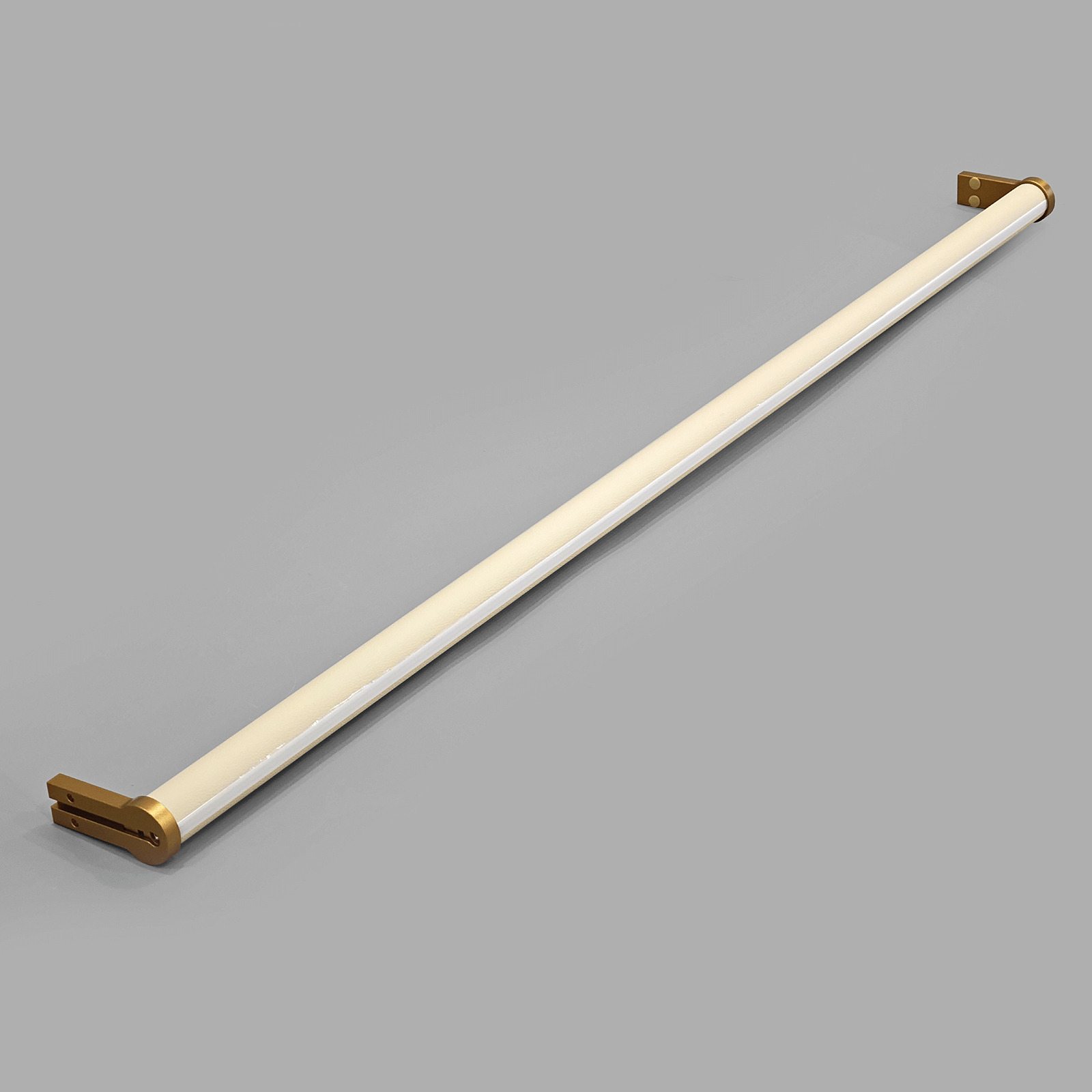
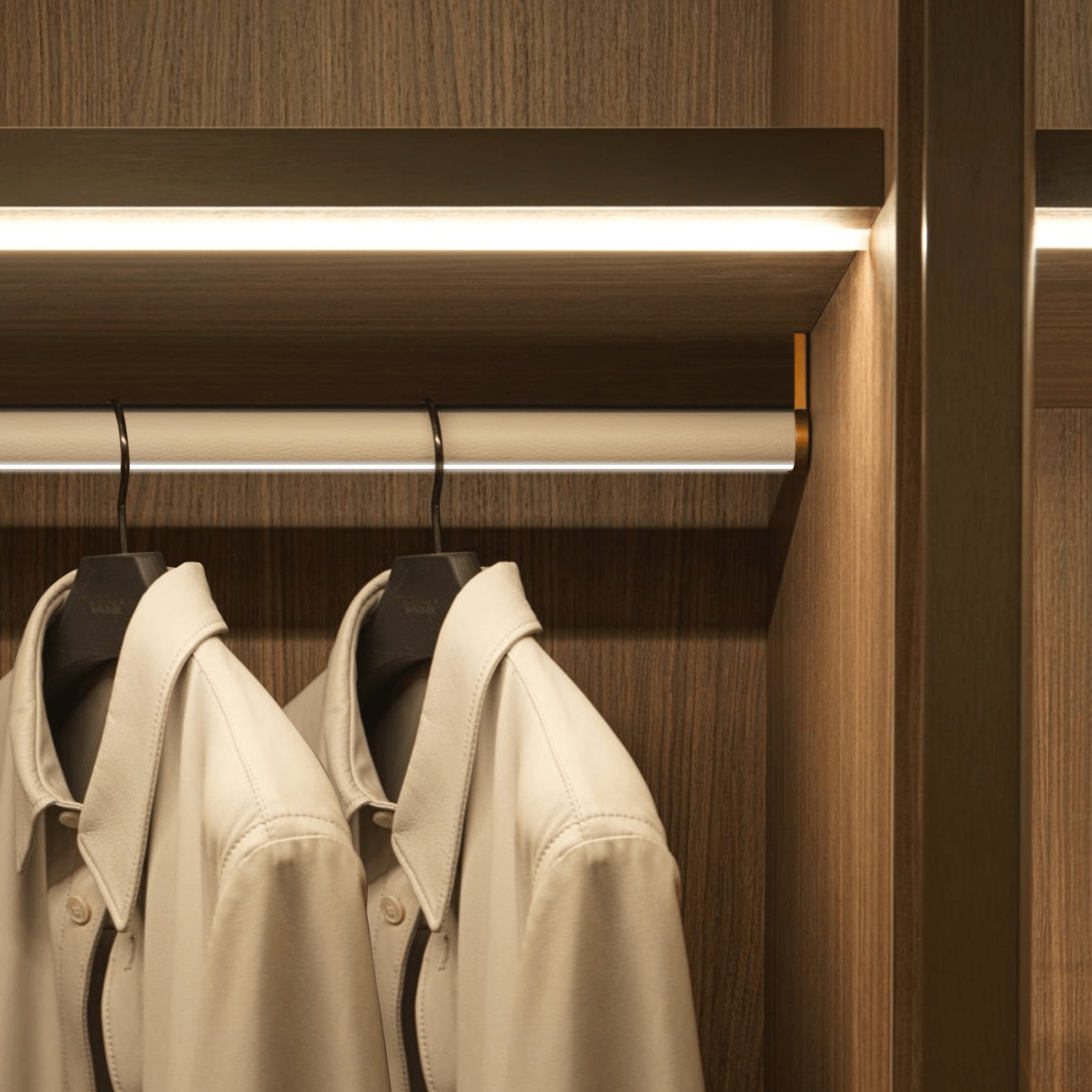
Wardrobes & Custom Closets
Highdensity storage areas demand dedicated task lighting. Integrating linear LED profiles vertically or horizontally inside a closet eliminates the frustration of shadowed interiors.
The Practical ROI: Precision rendering allows users to immediately differentiate between highcontrast tones, such as identifying a charcoal suit versus a true midnight black fabric under accurate Color Rendering Index (CRI) conditions.
Pantries & Specialized Food Storage
Deep shelving networks naturally block ambient light.
Deploying recessed continuous lowprofile LED strips under shelves eliminates dark corners.
Proper placement creates a crisp shadow layout that enhances visibility for inventory tracking without generating unmanageable glare.
Laundry Rooms & Linen Storage
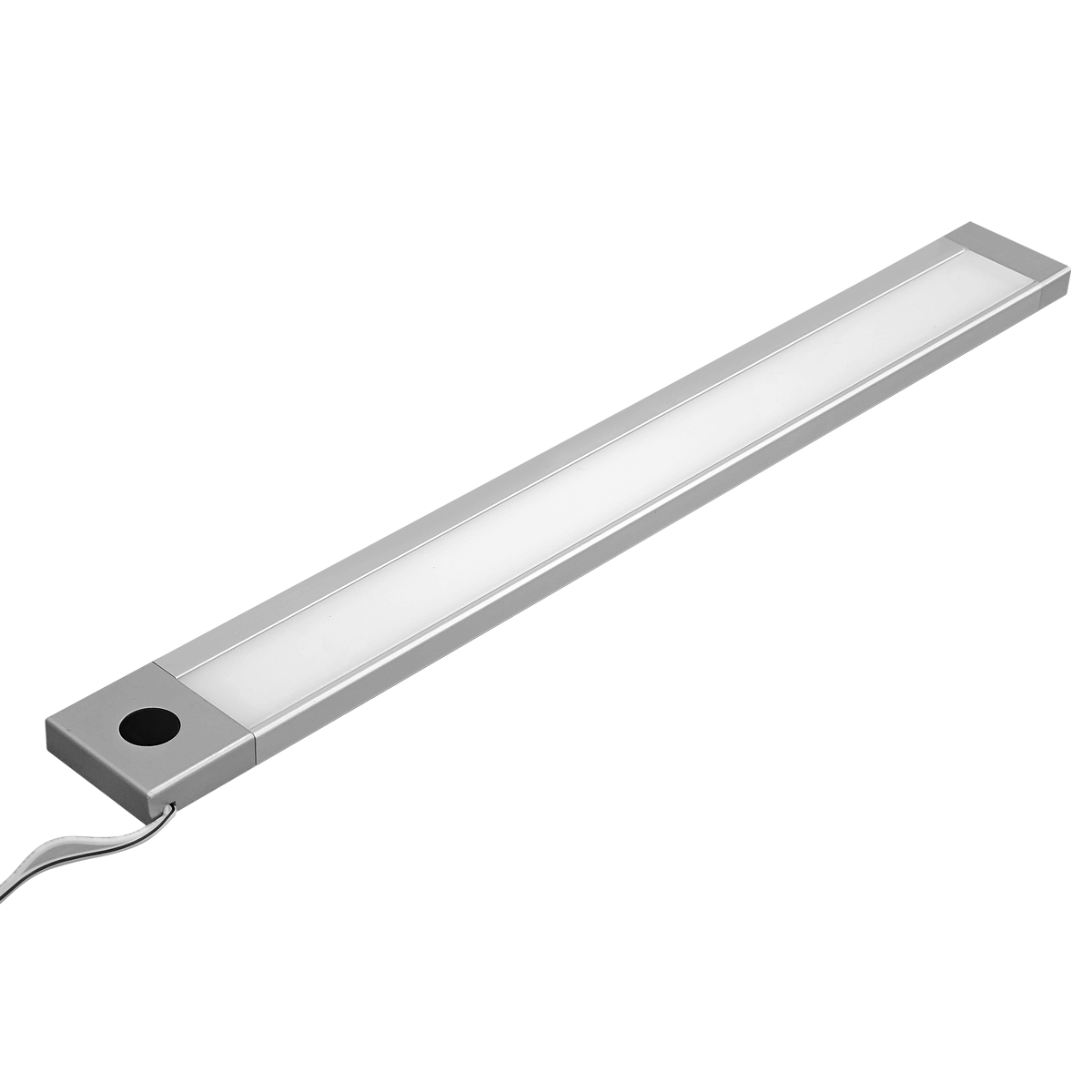
Highutility workspaces require clean, highoutput illumination. Integrating localized undercabinet task fixtures directly above counter surfaces provides the precise lumen output needed for sorting, folding, and stain treatment.
2. Technical Engineering: The Core Advantages of Premium LED Systems
When specifying illumination for enclosed custom cabinetry, traditional lighting options fail due to thermal and space constraints. Commercialgrade LED components offer the precise engineering metrics required for enclosed architectural millwork:
Dynamic Kelvin Control (Tunable White Technology)
Static lighting limits a room's adaptability. Advanced LED systems feature Tunable White (CCT) technology, shifting seamlessly between crisp, cool white and comforting warm white.
Autonomous Biophilic Dimming: Smart controllers can automate this shift, syncing the closet's internal color temperature with external natural daylight cycles or the room's overarching ambient layers.
Custom Color Calibration: Clients can manually lock in specific Kelvin ratings to align perfectly with surrounding architectural lighting.
3. Demolishing the "Illumination Myth": Elevating Spatial Perception
A frequent industry misconception is that lighting is purely decorative. In reality, calculated illumination acts as a spatial modifier, fundamentally converting tight or dark storage layouts into open, inviting environments.
By varying your delivery methods—combining recessed profiles, surfacemounted extrusions, and directional spotlights—you shift a room's atmosphere instantly. For custom manufacturers, providing these diverse, switchactivated lighting configurations transforms standard millwork into a premium, interactive design statement.
4. Crafting the "Boutique Experience": HighImpact Applications
To capture the coveted luxury retail aesthetic, lighting must be paired intentionally with materials.
The ultimate visual impact is achieved by placing highCRI LED puck lights or seamless linear COB strips inside glassfronted wardrobe doors. When directed onto premium footwear collections or bespoke accessories, it replicates the curated feel of a highend fashion boutique. This specific visual layout drives emotional value and acts as a major selling point for highend residential clients.
5. Dimming Controls and Driver Integration: Designing for Flexibility
Specifying maximum lumen output at all times limits spatial adaptability. For optimal results, system designs should pair highoutput LED luminaires with precision dimming systems.
Versatile Switching Mechanisms: Depending on project scope and wiring complexity, systems can integrate via lowvoltage smart dimmers, proximity sensors, or kinetic wireless controls.
Atmospheric Softening: Dimming gives users the granular control to soften sharp task lighting when ambient tranquility is preferred, making the system functional at any time of day.
Strategic Specification: Standardizing on higherlumen fixtures paired with robust dimming drivers guarantees that the installation retains maximum output capability for intense task needs while offering the flexibility to scale down for subtler accent framing.
 How to choose the best lighting scheme to illuminate a wardrobe?
  About us
 OUR PARTNER
 faq
faq Contact us